

The sacred art of Na’at has touched Muslim hearts for over 1,400 years. It began with the blessed companions who expressed their love for Prophet Muhammad ﷺ through poetry and melodious recitation.
This cherished tradition still flourishes today. It brings communities together in devotion and creates moments of connection with the noble character of our beloved Prophet ﷺ.
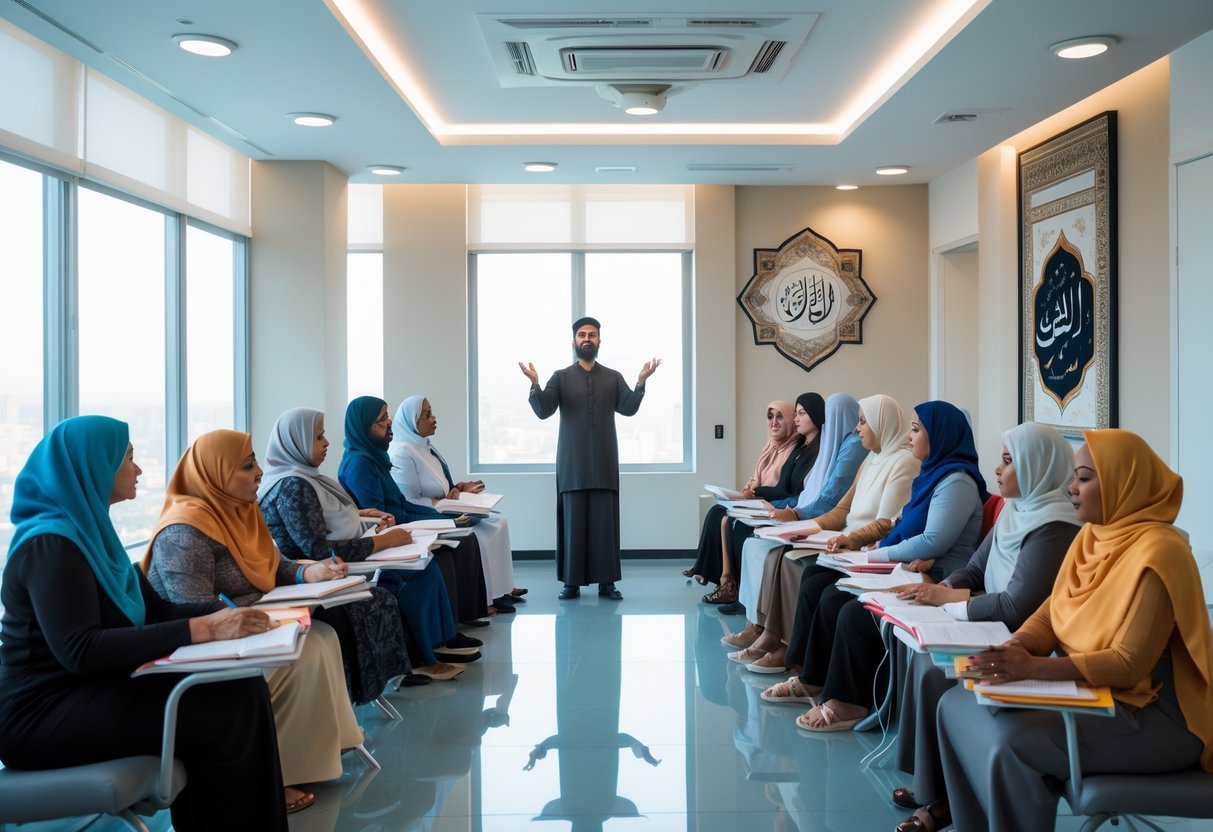
UK Quran Academy’s Na’at Training Course gives students of all ages a chance to learn this sacred art form. The lessons blend spiritual guidance with practical voice training and performance skills.
The course welcomes children and adults who want to express their love for the Prophet ﷺ. Recitation is taught in a way that honours Islamic traditions and etiquettes—no showiness, just respect and sincerity.
Students discover the rich history behind Na’at while developing their own voices. The programme covers everything from understanding the spiritual significance of Na’at to mastering pronunciation, melody, and stage presence.
It’s a comprehensive experience that nurtures both artistic ability and spiritual growth. And honestly, it’s hard not to feel inspired when you’re surrounded by such heartfelt devotion.
What is Na’at?

Na’at is a sacred form of Islamic poetry. It praises Prophet Muhammad ﷺ through melodious verses and heartfelt devotion.
This tradition began during the Prophet’s lifetime and has grown across cultures and languages. It’s inspired countless reciters throughout history.
Origins in Early Islamic History
Na’at poetry traces back to the earliest days of Islam. Hazrat Hassan bin Thabit (RA), known as the “Poet of the Prophet,” was the first official Na’at reciter.
He composed verses praising the Prophet ﷺ while he was alive. The Prophet ﷺ encouraged this kind of devotional expression.
Hassan bin Thabit (RA) would recite his poetry in the mosque of Medina. The Prophet ﷺ even provided a special platform for him to recite.
Other companions joined in, understanding that poetry praising the Prophet ﷺ strengthened faith and connection to Islam. These early Na’ats focused on his noble character, teachings, and his role as Allah’s final messenger.
After the Prophet’s passing, the tradition continued. Each generation added their own contributions to this literary heritage.
Traditions Across Cultures and Languages
Na’at has become a global tradition, spanning many languages and cultures. Urdu Na’ats are especially popular, known for their melodies and emotional depth.
Persian poetry has also played a big role in Na’at literature. Arabic Na’ats keep their classical beauty and structure, while Turkish, Punjabi, and Bengali communities have developed their own unique styles.
Each language brings something special, but the core message—love for the Prophet ﷺ—remains. Modern Na’at includes:
- Classical style with traditional instruments
- Contemporary melodies for younger audiences
- Sufi-influenced recitations with spiritual depth
- Simple recitations focusing on words
Different regions celebrate Na’at through cultural festivals and competitions. These events help preserve the tradition and encourage new talent.
Famous Na’at Reciters and Their Influence
Several renowned reciters have shaped the modern Na’at tradition. Qari Waheed Zafar Qasmi is known for his powerful voice and emotional delivery.
His recordings have inspired many young reciters. Muhammad Owais Raza Qadri brought Na’at to international audiences with his melodious style.
His recitations blend traditional techniques with a modern appeal. Many consider him a master of the art.
Siddiq Ismail is famous for his unique rhythm and melody. His influence reaches training programmes worldwide.
Other names like Fasihuddin Soharwardi and Alhaj Muhammad Mushtaq Qadri Attari have also left their mark.
These masters set important standards:
- Proper pronunciation of Arabic and Urdu verses
- Respectful, heartfelt delivery
- Voice control and technical skill
- Deep understanding of the poetry’s meaning
Their recordings are still used as teaching tools for new students.
The Spiritual Significance of Na’at
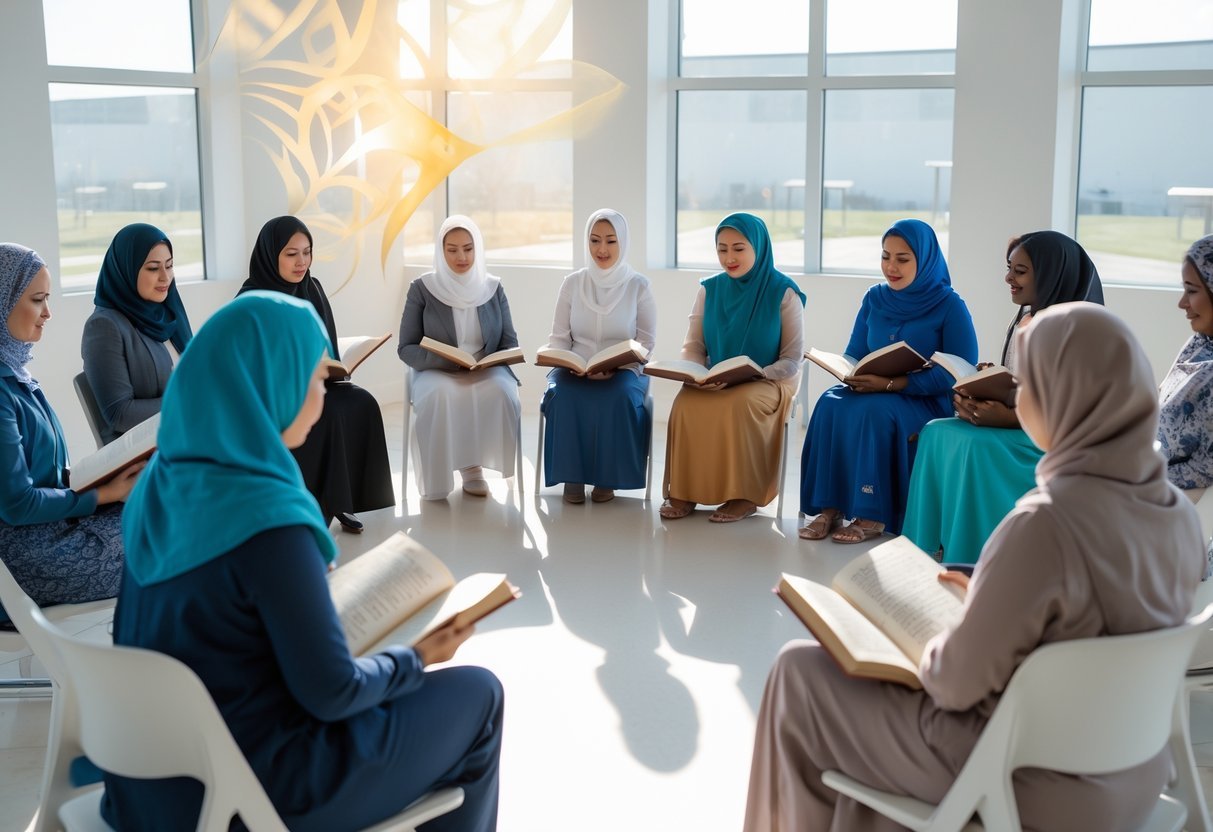
Na’at holds deep spiritual meaning in Islamic tradition. It’s a sacred way of expressing love for Prophet Muhammad ﷺ.
This poetry creates blessed environments and draws support from Qur’anic teachings and prophetic traditions. It’s not just words—it’s a connection to something bigger.
An Expression of Love for the Prophet ﷺ
Na’at is a heartfelt way for Muslims to show their love and respect for Prophet Muhammad ﷺ. Reciting Na’at means sharing admiration for the Prophet’s noble character and teachings.
Each verse describes his kindness, wisdom, and example for humanity. Reciting Na’at becomes an act of Iman (faith) that brings the heart closer to Allah through love of His Messenger ﷺ.
The words remind listeners of the Prophet’s beautiful qualities—mercy, honesty, compassion. Many people find that Na’at helps them feel more connected to their faith.
Uplifting and Blessed Atmosphere
Na’at recitation creates a peaceful, spiritual atmosphere. The melodious verses fill the space with calm and blessings.
When people gather to listen to Na’at, there’s often a sense of tranquility and upliftment. The words and melodies touch the heart in a way that’s hard to describe.
Benefits of Na’at recitation include:
- Inner peace and spiritual reflection
- Bringing communities together
- Purifying the heart from negativity
- Inspiring good deeds
Children especially benefit from hearing Na’at. It helps them develop love for the Prophet ﷺ early and builds positive associations with Islamic teachings.
Qur’anic and Hadith References
Praising Prophet Muhammad ﷺ through poetry is supported in Islamic sources. Allah commands believers in the Qur’an to send blessings upon the Prophet ﷺ.
Surah Al-Ahzab (33:56) says: “Indeed, Allah confers blessing upon the Prophet, and His angels [ask Him to do so]. O you who have believed, ask [Allah to confer] blessing upon him and ask [Allah to grant him] peace.”
The Prophet ﷺ appreciated poetry that praised Allah and Islam. He supported poets like Hazrat Hassan bin Thabit (RA), who defended Islam through his verses.
Several Hadith mention the reward for those who honour and praise the Prophet ﷺ. Expressing love through respectful poetry is encouraged in Islam.
That’s why Na’at is considered sacred—simple poetry becomes worship and devotion.
Overview of the Na’at Training Course

The Na’at Training Course welcomes learners of all ages and backgrounds. Students develop proper recitation skills with melodious expression.
The focus is on respectful presentation and a deep understanding of this sacred poetry form. It’s about sincerity, not performance.
Who Can Join
Open to All Ages and Backgrounds
The course is open to complete beginners, no experience needed. Children as young as six can join alongside adults.
Parents often enrol their children to help them connect with the Prophet Muhammad ﷺ. Adults join for spiritual growth or to improve their recitation skills.
No Prerequisites Required
No need for musical training or poetry background here. The course starts with basics and builds up gradually.
Those already familiar with Na’at can join to refine their technique. Each student gets guidance based on their level.
Respectful and Correct Recitation Focus
Proper Etiquettes and Guidelines
Students learn the sacred etiquettes for reciting Na’at—posture, tone, and presentation. Respect is key.
Correct pronunciation of Arabic and Urdu words is emphasised. Instructors guide students through breathing techniques for clear delivery.
Melodious Expression Training
Voice training helps students develop controlled, sweet recitation. Rhythm and emotional expression are practised for different Na’at styles.
The programme avoids theatrical performances. Instead, students learn sincere, heartfelt delivery that honours the Prophet ﷺ.
Learning Outcomes
Core Skills Development
Students gain confidence in public Na’at recitation. Practice sessions include microphone handling and stage presence.
By the end, students memorise selected classical Na’ats. They build their own collection of verses for future recitation.
Spiritual and Personal Growth
Students deepen their understanding of Prophet Muhammad’s ﷺ character through Na’at study. This knowledge inspires them to follow his example.
The course creates lasting appreciation for this sacred art. Many students continue practising on their own after graduating.
Core Skills and Areas Taught

The Na’at Training Course at UK Quran Academy focuses on four essential areas. These help students develop both spiritual understanding and artistic ability.
Skills combine proper Islamic etiquette with practical vocal techniques. The result? Meaningful and beautiful recitations.
Meaning, Purpose, and Etiquettes
Students start by learning the sacred purpose of Na’at recitation. It’s about expressing love and respect for Prophet Muhammad ﷺ.
Instructors explain the spiritual significance behind this devotional art. Na’at is a way to connect the heart to the Prophet’s noble character and teachings.
The course covers essential etiquettes like:
- Maintaining wudu (ritual purity) before recitation
- Facing the Qibla when possible
- Using respectful language and tone
- Avoiding gestures that distract from reverence
Students explore the historical context of Na’at poetry. They learn about Hazrat Hassan bin Thabit (RA) and other companions who praised the Prophet ﷺ in verse.
Understanding the meaning behind popular Na’at verses is emphasised. Students don’t just memorise—they actually understand what they recite.
Melody and Voice Training
Voice development is a big part of what we do here. Students pick up breathing techniques that make their recitation clearer and help them keep going without running out of breath.
The course covers vocal warm-ups and simple exercises. These steps ease strain and gradually boost vocal quality—honestly, you’ll feel the difference after a few sessions.
Instructors walk students through melody patterns that are often used in Na’at. At first, you’ll practice easy tunes, then move on to trickier ones as your confidence grows.
Rhythm and timing get special attention. Students learn to sync their pace with the natural flow of each poem—sometimes it’s trickier than it sounds, but it’s rewarding.
Training also includes exercises for:
- Pitch control—staying on note
- Volume management for different spaces
- Emotional expression using your voice
- Breath support to handle longer verses
Both group and solo recitation are part of the routine. This builds up confidence for all sorts of performance settings, whether you’re in front of a crowd or just a few friends.
Pronunciation for Urdu and Arabic
Getting pronunciation right is absolutely key—it’s what makes Na’at sound beautiful and meaningful. The course gives a lot of help with Urdu phonetics, especially for those who didn’t grow up speaking it.
Students tackle sounds in Urdu that aren’t found in English. Letters like ق, خ, and غ can be a challenge at first.
Arabic pronunciation is just as important, especially when Arabic phrases or Quranic verses come up. Students practise Tajweed principles to keep their recitation authentic.
Some common mistakes and their fixes:
| Sound | Common Error | Correct Form |
|---|---|---|
| ق (Qaf) | Pronounced as ‘K’ | Deep throat sound |
| ع (Ain) | Omitted completely | Distinct throat sound |
| ح (Haa) | Pronounced as ‘H’ | Heavy breath sound |
There’s a strong focus on word stress and sentence flow in both languages. This is what gives recitation its natural, flowing feel.
Everyone gets individual coaching to work through their own pronunciation hurdles. Regular practice helps these new sounds stick.
Building a Personal Repertoire
Students start building a collection of Na’at verses that fit their current skill level. The course brings in beginner-friendly pieces with straightforward melodies to get things rolling.
Some popular Na’at poems that students work with:
- “Madinay Se Aaya”—great for rhythm practice
- “Ya Nabi Salam Alayka”—to sharpen Arabic pronunciation
- “Mustafa Jaan-e-Rehmat”—for learning emotional delivery
Memorisation is made less daunting with practical techniques. Breaking down verses into smaller bits helps build up confidence, one step at a time.
The course also nudges students to try out different styles and poets. It’s a good way to discover what you actually enjoy reciting.
Performance preparation is part of the mix. Students learn how to pick the right Na’at for different settings—sometimes it’s a family gathering, sometimes a larger event.
By the end, most students have 5–7 Na’at pieces they know well and are ready to share. It’s a solid foundation for keeping the learning and recitation going.
Course Structure and Weekly Breakdown

The Na’at Training Course runs over four to six weeks, with each week focusing on a different skill set. The structure is designed to move students from the basics to confident recitation, all at a steady, manageable pace.
Week 1: Introduction, History, and Etiquettes
Week one is all about building the spiritual foundation. Students learn how Na’at began, tracing its roots back to Hazrat Hassan bin Thabit (RA), the Prophet Muhammad’s ﷺ poet.
Key Learning Areas:
- Historical Context: Where Na’at fits in early Islamic poetry
- Spiritual Significance: How Na’at expresses love for the Prophet ﷺ
- Proper Etiquettes: The right posture, intention (niyyah), and dress
Students dig into what sets Na’at apart from other Islamic poetry. There’s also a look at different styles from around the world.
Practical sessions cover wudu (ablution) before recitation and the sacredness of the words. Students also pick up some basic Arabic phrases that come up often in Na’at.
Week 2: Voice, Breathing, and Pronunciation
This week is about the nuts and bolts of recitation. Students work on breathing exercises that make those long melodic lines possible.
Core Training Elements:
- Breathing Techniques: Diaphragmatic breathing for more control
- Voice Projection: Speaking up without pushing too hard
- Pronunciation Practice: Getting Arabic and Urdu sounds right
Instructors lead warm-ups and vocal scales. Special care is taken with the pronunciation of “Muhammad” ﷺ—it’s a detail that matters.
Students practise Makharij al-Huruf (where Arabic letters are formed in the mouth and throat). They learn to sidestep pronunciation mistakes that could change meanings.
One-on-one feedback helps students find their natural vocal range. The week wraps up with short, familiar Na’at recitations for practice.
Week 3: Melody, Rhythm, and Emotional Expression
This week is where recitation comes alive. Students try out traditional melodies (tarannum) and learn how rhythm shapes the feel of each verse.
Musical Elements Covered:
- Traditional Melodies: Learning classic Na’at tunes
- Rhythm Patterns: Getting comfortable with beats and pauses
- Emotional Connection: Using your voice to show reverence
There’s a focus on raag-based melodies that are common in Na’at. Students practise where to pause for emphasis and how to build up emotion.
Listening sessions with famous Na’at reciters are included. Students get to pick out techniques they’d like to try themselves.
Expression exercises help students connect with the verses personally. The aim is to really feel the words and share that with listeners.
Week 4–6: Practice, Stage Confidence, and Assessment
The last stretch is about putting it all together and performing with confidence. Students practise full Na’at pieces, gearing up for a final presentation.
Performance Preparation:
- Stage Presence: Posture, eye contact, and delivery
- Microphone Techniques: Keeping the right distance and volume
- Complete Recitations: Performing full pieces from memory
Every student gets some one-on-one coaching to polish their skills. Practising in front of small groups helps ease nerves.
Assessment includes:
- Pronunciation accuracy
- Melody consistency
- Emotional impact
- Stage presence
- Memorisation
Week six ends with a showcase event—students perform for family and friends. Everyone gets a certificate and feedback to keep improving.
Benefits of Enrolling at UK Quran Academy

At UK Quran Academy, students get access to instructors who really understand both Islamic tradition and what it’s like to learn in the UK. The teaching is personal, and the atmosphere supports both spiritual and artistic growth—something you don’t find everywhere.
Supportive Islamic Learning Environment
UK Quran Academy is a welcoming place, open to all backgrounds and abilities. Instructors know the challenges Muslims in the UK face, and their guidance fits both Islamic values and British life.
Female instructors are available for women and girls who’d prefer that. It’s about comfort and privacy. Flexible scheduling means lessons fit around UK time zones and busy lives.
Small group and one-on-one lessons are the norm, so teachers can really focus on each student. Tech is used to keep lessons interactive and, honestly, a bit more fun.
Parents get regular updates on their kids’ progress. Since lessons are online, there’s no need to worry about travelling or unfamiliar places. Students often make friends with others who share their faith and interests—it’s a nice bonus.
Spiritual and Artistic Growth
The Na’at training course is about more than just technique. Students dig into the meanings behind the poetry, deepening their love for Prophet Muhammad ﷺ and understanding of Islam.
Voice training boosts breathing techniques and vocal control. The result? Recitations that sound beautiful and feel heartfelt. With time, pronunciation of Arabic and Urdu verses becomes second nature.
Etiquette matters, too. Students learn when and how to perform Na’at with respect and dignity, taking the spiritual responsibility seriously.
Creativity is encouraged, but always within Islamic guidelines. Students try out different melodies and styles, gradually discovering their own unique voice. The balance between tradition and personal expression makes for real growth—both artistically and spiritually.
Confidence for Public Recitation
Lots of students get nervous when they’re asked to recite in front of others. It’s a pretty common feeling, honestly.
The UK Quran Academy takes a step-by-step approach that helps ease those nerves. First, students practice alone with their instructor.
After that, they move on to small group settings. This gradual exposure really makes a difference.
Stage presence training is part of the process too. That means learning about posture, how to handle a microphone, and connecting with your audience—even if it’s just a few people at first.
Managing nerves is a skill in itself. Students work on presenting themselves with dignity, which, let’s face it, is something you can use in all sorts of situations, not just Na’at recitation.
There are regular practice sessions, so students don’t just get one shot. They get to try, adjust, and try again.
Teachers step in with gentle corrections, offering encouragement rather than criticism. It’s a supportive vibe—no one’s left feeling embarrassed.
Those small wins along the way? They really add up. Students start to notice their confidence growing, bit by bit.
By the end of the course, most students are ready to perform at family gatherings, community events, or mosque programs. That newfound confidence often sparks an interest in other Islamic arts too.
Some even say they’re more at ease with public speaking in general after finishing the training. It’s not just about recitation—it’s about feeling comfortable in your own skin.
Leave A Comment