

Starting your Quran memorization journey is honestly one of the most transformative things a Muslim can do. A well-designed Quran Hifz program delivers structure and real support, helping learners of any age commit the Quran to memory using proven techniques and one-to-one guidance.
This sacred path isn’t just about academic achievement—it’s a chance to build lasting spiritual bonds and discover deep personal growth. There’s something about it that just changes you from the inside out.
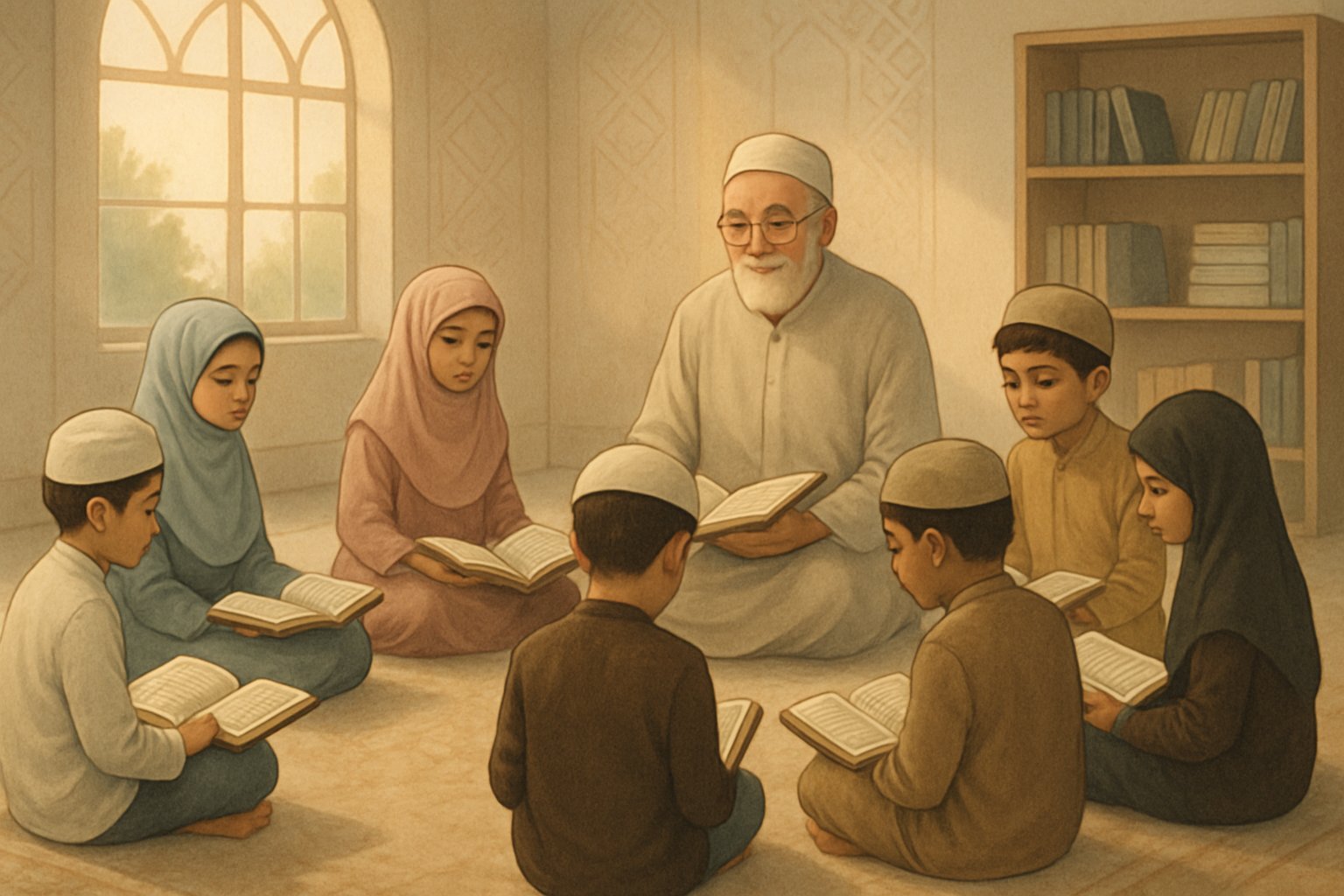
The UK Quran Academy’s Quran by Heart program opens its doors to children, teens, and adults, all in a friendly online space built for families across the UK. You get one-on-one help from qualified instructors who genuinely understand the ups and downs of memorising the Quran.
The program adapts to different learning speeds and busy schedules, so even working parents or students can take part. It’s about making this beautiful journey possible for everyone, no matter how hectic life gets.
Whether you’re aiming to memorise just a few surahs or the whole Quran, this program lays the spiritual groundwork, teaches you the skills, and keeps you supported every step of the way. You’ll find out what it means to carry Allah’s words in your heart, and you’ll pick up discipline and focus that spill over into every part of your life.
Ready to see what makes this Hifz program stand out for UK Muslims? Let’s walk through the spiritual meaning, the step-by-step approach, and the practical features that make it a top choice for anyone looking to start their memorisation journey.
Why Memorise the Quran? Spiritual Rewards and Daily Impact

Memorising the Quran isn’t just a tradition—it’s a life-changer. Divine blessings, mental clarity, and a legacy that lasts? It’s all part of the experience.
The rewards aren’t just spiritual, either. The benefits show up in how you handle daily challenges and connect with others.
Divine Benefits of Hifz
This journey forges a unique bond between you and Allah. Those who memorise the Quran are promised intercession on the Day of Judgement—the Quran itself will plead for them.
Paradise ranks rise with every verse you memorise. The Prophet (peace be upon him) said: “It will be said to the companion of the Quran: ‘Recite and rise one degree for every verse,’ until he recites the last thing that he knows.” That’s pretty incredible.
Divine protection follows memorizers throughout life. The Quran becomes a companion, guiding choices and offering comfort, especially when things get tough.
Family blessings extend to parents whose children memorise the Quran. On the Day of Judgement, parents are honoured with crowns of light—an amazing reward for supporting their child’s journey.
And let’s not forget, the memoriser gains elevated status among believers. Those who learn and teach the Quran? They’re counted among the best in our tradition.
Mental and Emotional Advantages
Quran memorisation sharpens your mind and builds emotional strength. Regular recitation strengthens memory and concentration in ways you might not expect.
Stress reduction just happens, almost naturally, through the soothing rhythm of recitation. Studies even show lower anxiety and better emotional control among memorizers.
Mental discipline grows with daily practice. The structure needed for memorisation builds habits that help in school, work, and life in general.
There’s a real sense of spiritual confidence as you master more verses. It’s a personal achievement that goes way beyond religious obligation.
Many students notice their focus improves during and after memorisation sessions. Suddenly, paying attention in class or at work isn’t such a struggle.
Having Quranic verses at your fingertips gives you emotional stability and comfort during tough moments. It really does help with decision-making and resilience.
Inspiring Family and Community Legacy
Memorising the Quran doesn’t just affect one person—it ripples out to families and communities. Parents who memorise set an example of dedication and faith for their kids.
Household transformation happens when families make Quran memorisation a priority. Daily routines start to revolve around spiritual growth, filling the home with recitation and Islamic values.
Community leadership often springs from those who’ve memorised the Quran. These individuals become teachers, imams, and guides, shaping the spiritual life of their communities.
The generational impact is real. Children whose parents have memorised are more likely to start their own journey.
Cultural preservation is another bonus. Memorisation keeps pronunciation and recitation methods alive, even as generations and regions change.
There’s also the social respect that comes with being a memoriser. It opens doors to guiding others and sharing knowledge in meaningful ways.
Quran Hifz Program Structure: A Step-by-Step Journey
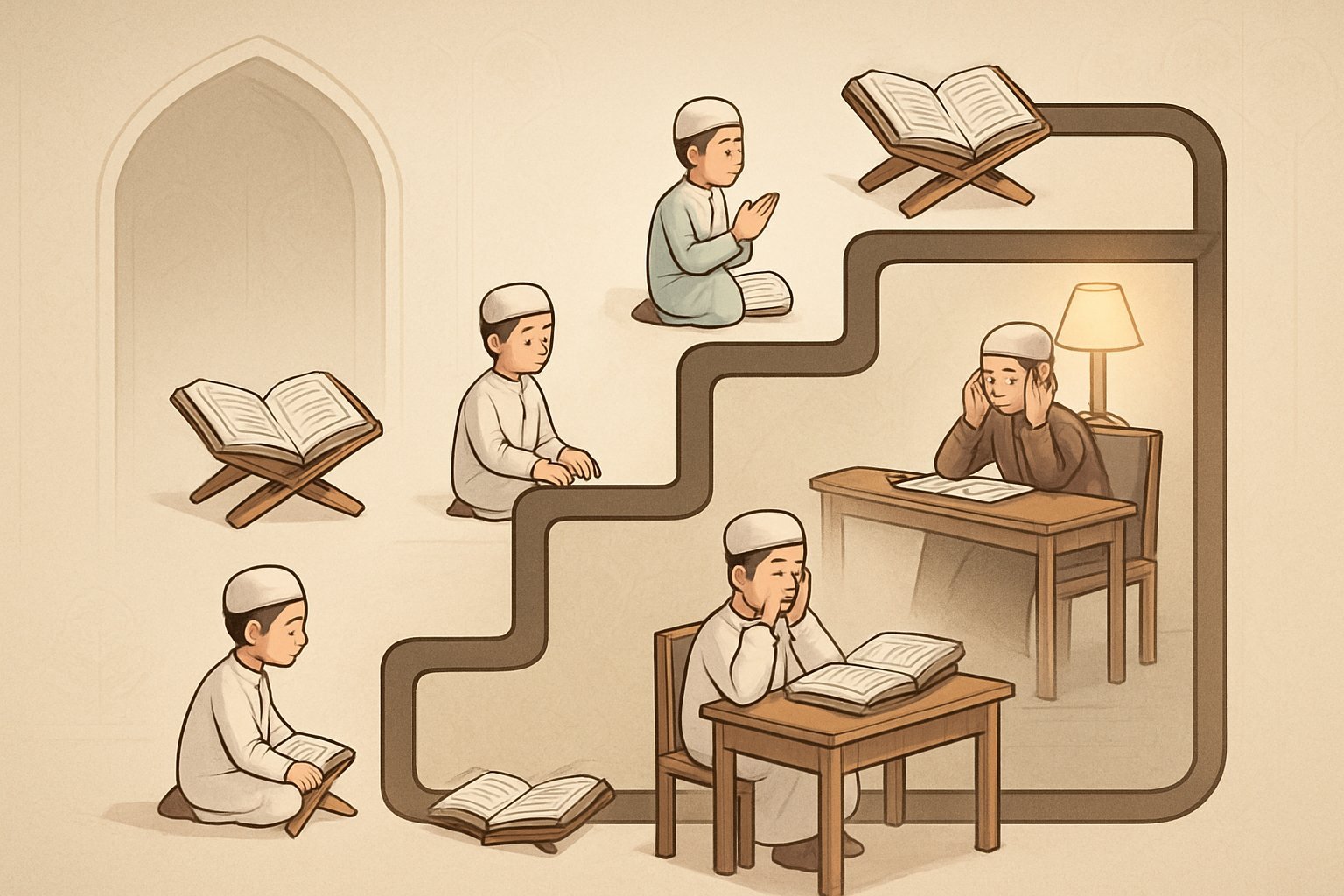
This hifz program is built on a clear, three-phase approach. It starts by building spiritual readiness, then perfects your recitation, and finally locks in memorisation techniques that last.
Each phase lays the groundwork for the next. By the end, students have both the spiritual connection and technical skill they need to succeed.
Phase 1: Spiritual Foundation and Preparation
The first two weeks are all about preparing mentally and spiritually. Students explore the virtues of Quran memorisation, hearing inspiring hadith and real stories of people who memorised in tough times.
Purifying your intention (Niyyah) is key. Teachers lead goal-setting sessions and share special duas, helping students connect with Allah and set the right mindset for the journey ahead.
Establishing a daily routine is a big focus here. Students learn to pick the best times for memorisation—often after Fajr or before sleep, when the mind’s fresh. Setting up a distraction-free study space is encouraged too.
There’s also an intro to basic Tajweed. Students pick up correct pronunciation and learn to avoid common mistakes, so their recitation is solid from day one.
Phase 2: Tajweed Mastery for Accurate Recitation
Next comes two weeks dedicated to Tajweed, before diving deep into memorisation. Students must nail down key pronunciation rules so every verse is recited accurately.
Teachers cover essentials like Noon Sakinah, Tanween, Meem Sakinah, and Madd. Students practice these rules with lots of repetition and immediate feedback from instructors.
Daily practice zeroes in on tricky pronunciation spots. Students record themselves, then get feedback to fine-tune their recitation.
This phase wraps up with assessments to make sure everyone’s ready. Only when students can recite with proper Tajweed do they move on to actual memorisation.
Phase 3: Effective Memorisation and Revision
The heart of the program is the three-step Hifz method: Sabaq (new lesson), Sabaqi (recent revision), and Manzil (review of older material). This system keeps new learning and long-term retention balanced.
Students usually start with shorter surahs from Juz Amma, slowly building confidence. Sessions involve listening, repeating, then reciting independently, with teachers guiding every step.
Writing reinforcement helps lock things in. Students write out verses while reciting, combining visual and auditory memory. Sticky notes and self-recordings are handy tools for tricky passages.
Progress is checked regularly with tests and reviews. Monthly assessments make sure nothing’s forgotten, and new material is added at a steady pace.
Online Hifz Program Features for Every Learner
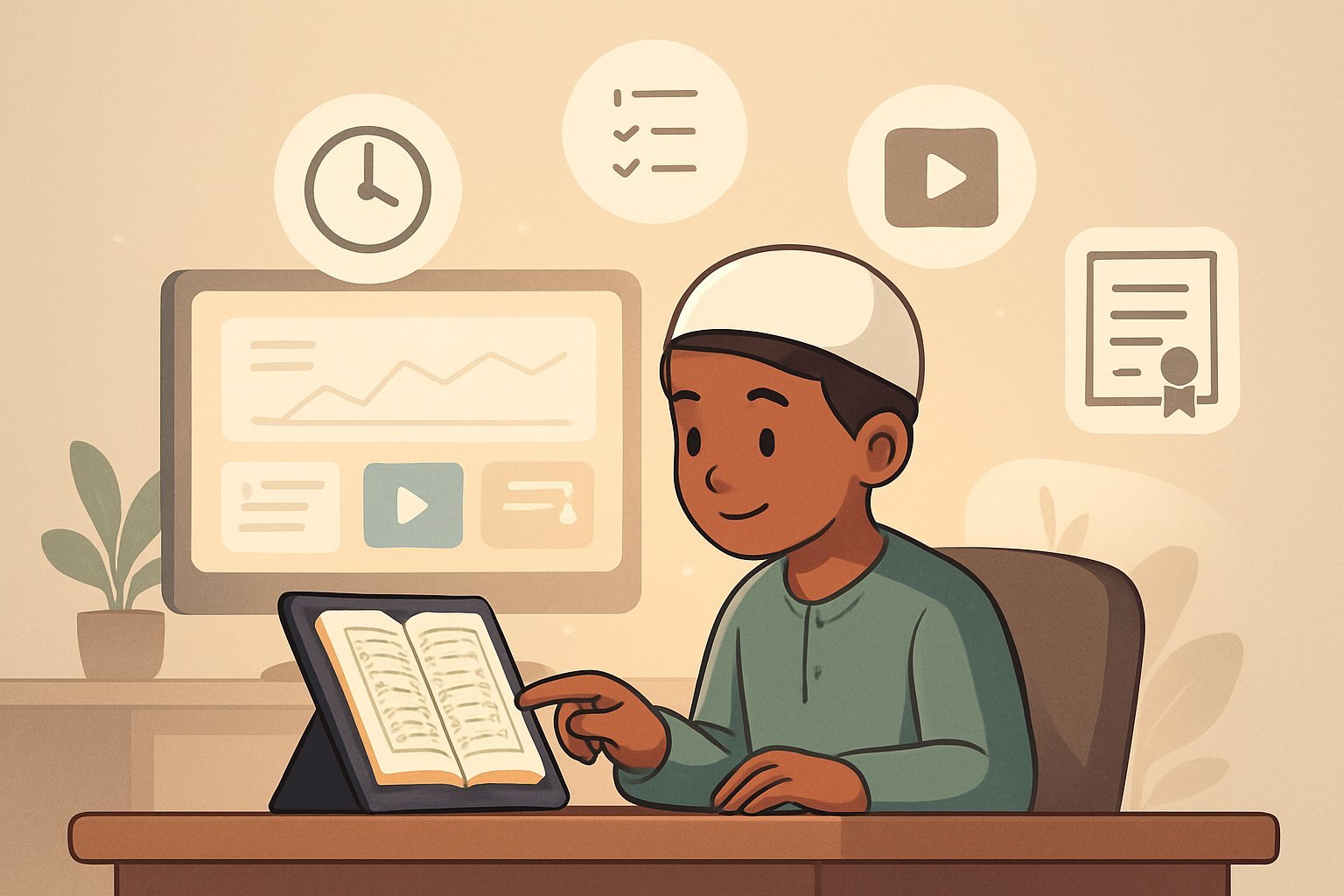
Online hifz programs today are more flexible than ever. Personalised learning paths, adaptable schedules, trial classes, and detailed progress tracking make it possible for anyone to memorise the Quran—even with a busy UK lifestyle.
Individual Learning Plans
Every student starts with a custom plan. Teachers look at your current Quran knowledge, daily availability, and learning style before building your roadmap.
Personalisation factors include:
- How much you’ve memorised already
- How much time you can give (2-8 hours a day)
- Your learning speed and memory
- Age-appropriate teaching methods
If you’ve got a sharp memory, there are intensive 6-month plans (5-6 pages a day). Prefer a slower pace? There are 2-3 year options with manageable daily portions.
Adults get special attention—programs are designed for those juggling work and family. Kids enjoy interactive tools, visual aids, and memory games to keep things fun.
Teachers tweak plans as you go, based on progress and any bumps in the road. This way, you’re challenged but never overwhelmed, always moving forward in your Quran Hifz journey.
Flexible Scheduling and Trial Classes
Schedules are as flexible as you need. Choose morning, afternoon, or evening sessions—whatever fits your life.
Most UK Quran Academy programs offer free trial classes, so you can get a feel for the teaching style before committing. These are usually 30-45 minutes and give you a taste of the memorisation techniques used.
Scheduling options include:
- One-on-one sessions for focused learning
- Small groups for a bit of friendly competition
- Weekend intensives for those with packed weekdays
- Holiday fast-track programs
Miss a class? No problem—makeups are easy and there’s no penalty. Teachers stay in touch via messaging apps, so you can ask quick questions anytime.
There’s a choice of male or female instructors, respecting cultural preferences and keeping everyone comfortable.
Progress Reporting for Parents
Parents can track their child’s journey with detailed reports and regular updates. Progress, retention, and areas needing extra attention are all covered.
Weekly reports usually include:
- Verses memorised and revised
- Tajweed accuracy scores
- Attendance and participation
- Upcoming lesson plans
Monthly assessments highlight strengths and areas to work on. Teachers offer practical tips for home support and practice.
Parents can log in anytime to see dashboards showing completed sections, current hurdles, and estimated finish dates. Some programs even let parents listen to their child’s recitations over time—hearing the progress is honestly rewarding.
Regular parent-teacher meetings keep everyone on the same page. It’s a great time to voice concerns and celebrate wins along the way.
Qualified Hifz Instructors and Supportive Learning Environment

Success in memorising the Quran depends so much on the right teacher and the right environment. Certified instructors at UK Quran Academy give students personal attention, whether in one-on-one or group sessions.
It’s not just about teaching—it’s about building a supportive Islamic community where students can grow spiritually and academically, at their own pace. That’s what makes the journey truly special.
Certified Male and Female Quran Teachers
Let’s be honest—nothing beats learning from someone who’s actually walked the path. At UK Quran Academy, our Hafiz instructors aren’t just reciters; they’ve completed their own Hifz and hold Ijazah certificates that prove their expertise in Quranic recitation and Tajweed.
We know families have preferences, so you’ll find both male and female instructors available. That way, everyone can feel at ease during lessons—no awkwardness, just focused learning.
Each teacher brings years of hands-on experience. They use a mix of mnemonic tricks, visual cues, and unique recitation patterns to help students remember what they learn.
Key qualifications include:
- Complete Hifz of the Quran
- Tajweed certification
- Teaching experience with various age groups
- Understanding of different learning styles
One-on-One and Small Group Sessions
Personalised attention really makes a difference. Individual sessions let instructors zoom in on what each student needs and where they’re struggling.
Immediate feedback is the norm—pronunciation, accuracy, Tajweed mistakes get spotted and fixed on the spot. That’s how you avoid picking up bad habits.
If you like a bit of friendly competition, small group sessions (2-4 students) strike a nice balance. You get motivation from your peers but still plenty of personal guidance.
Session benefits include:
- Custom memorisation schedules
- Real-time error correction
- Progress tracking and assessment
- Flexible timing options
Supportive Community Atmosphere
Let’s be real, memorising the Quran isn’t easy. A supportive environment at UK Quran Academy helps keep students motivated, especially when things get tough.
Students connect with peers who get it. This builds mutual accountability and a bit of healthy competition that actually makes memorisation more enjoyable.
Instructors don’t just teach—they encourage. Feedback is focused on growth, not criticism, which keeps spirits up.
Community features include:
- Peer support networks
- Group recitation sessions
- Milestone celebrations
- Spiritual mentorship opportunities
With the right teachers and a genuine community, students get the space to grow spiritually and sharpen their memorisation skills at the same time.
Requirements and Recommendations for Enrolling in a Quran Hifz Program
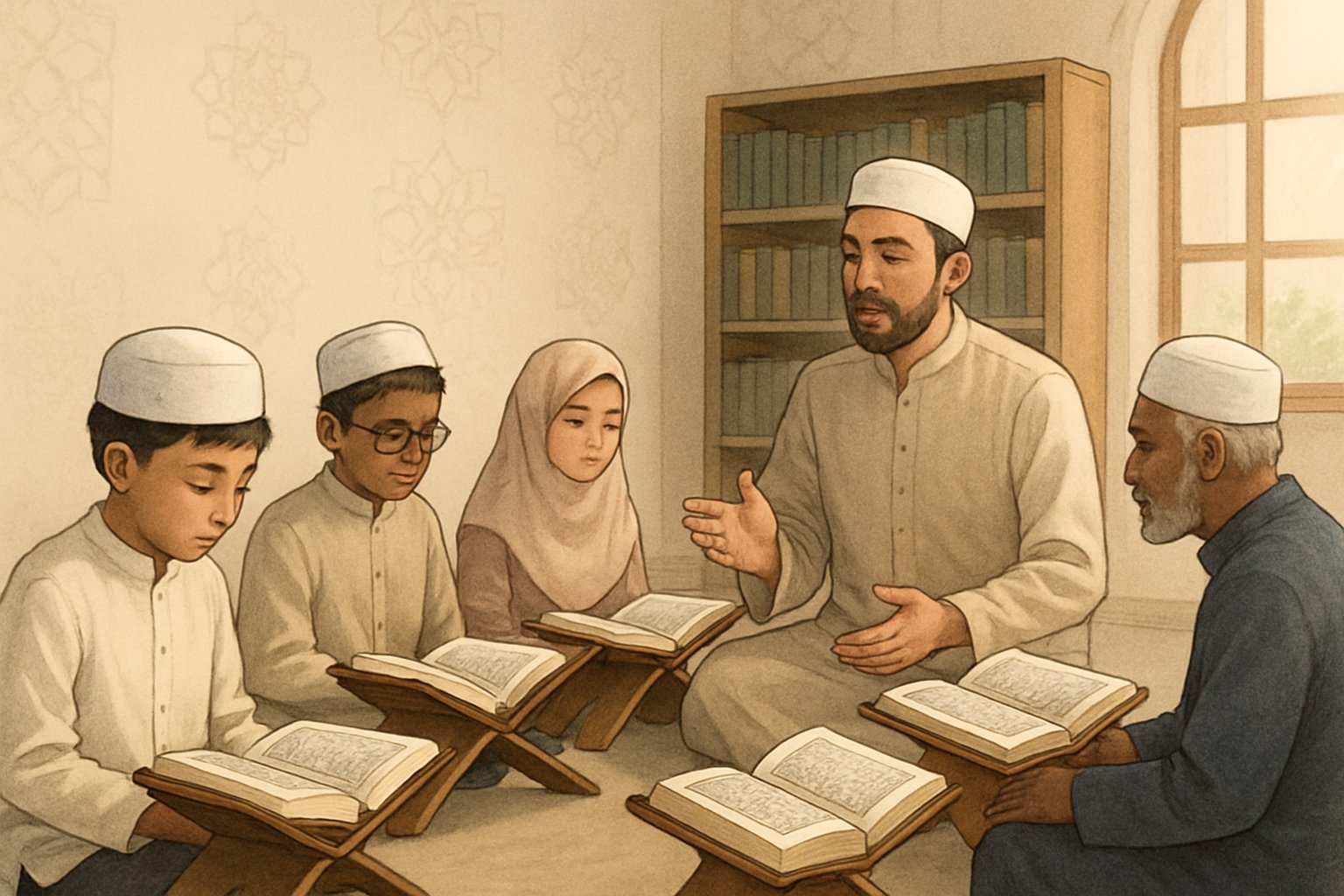
If you’re thinking about memorising the Quran, it’s not just about willpower. You’ll need a bit of groundwork—solid reading skills and a space that helps you focus.
Ideally, students should already be able to read Quranic Arabic and have a grip on basic Tajweed before diving into Hifz.
Prerequisites: Quran Reading and Tajweed Basics
Fluent Arabic reading is a must. Most academies—including UK Quran Academy—expect students to read passages smoothly, without stumbling over letters or pausing too much.
Essential Reading Skills:
- Clear pronunciation of Arabic letters
- Ability to read connected words fluently
- Recognition of basic Arabic vowel markings (harakat)
Basic Tajweed knowledge is equally important. Students should know the main rules—proper articulation, elongation (madd), and when to stop or continue during recitation.
Core Tajweed Requirements:
- Rules of noon sakinah and tanween
- Meem sakinah applications
- Basic madd (lengthening) principles
- Correct pronunciation of heavy and light letters
Some programs offer short Tajweed refreshers (usually 2-4 weeks) before the real memorisation starts. It’s worth doing—getting it right early saves a lot of headaches later.
Best Practices for Parents and Adult Learners
Parents, you’re the secret sauce. Kids thrive when their families encourage them and help set up daily routines that make learning feel rewarding.
Parental Support Strategies:
- Listen to daily memorisation portions
- Provide quiet study spaces during practice times
- Celebrate small achievements and milestones
- Stay in touch with instructors regularly
Adults, you’ve got your own challenges—work, family, life. Setting realistic goals and picking a flexible program is key.
Adult Learning Recommendations:
- Start with 5-10 verses a day—don’t overdo it
- Early mornings usually work best for memory
- Look for adult-only classes for peer support
- Set milestone rewards to keep yourself going
Consistency trumps cramming every time. Thirty minutes a day, every day, beats one long session once a week—trust me.
Setting Up Your Home for Online Learning
Online classes are only as good as your setup. You’ll need a quiet spot, decent tech, and ideally a space that feels a bit special for Quran study.
Technical Requirements:
- Stable internet connection for live classes
- Clear audio for feedback on pronunciation
- Your own Quran for offline practice
- Notebook for jotting down notes and verses
Optimal Learning Environment:
- Quiet room, comfy chair
- Good lighting to read Arabic clearly
- Keep distractions—especially electronics—out of the way
- Clean, respectful space that honours the Quran
It’s worth checking your tech before enrolling. Most places, including UK Quran Academy, offer trial runs so you can see if everything works smoothly.
Let your family know when you’ll be studying. It helps create a respectful, supportive vibe so you can really focus on your memorisation.
Long-Term Achievement: Ijazah, Recognition, and Post-Hifz Opportunities

Finishing your Hifz isn’t just a personal milestone—it opens doors. You can go for formal Ijazah certification, start mentoring others, or even move into advanced Islamic studies if that’s your thing.
Earning Certification (Ijazah)
The Ijazah is a big deal. It’s a certificate that proves you’ve memorised the entire Quran and can recite it perfectly—under the watchful eyes of certified scholars, no less.
To earn it, you’ll need to recite all 30 Juz by heart, with flawless Tajweed and no mistakes. It’s tough, but that’s what makes it meaningful.
Requirements for Ijazah include:
- Complete memorisation of all 30 Juz
- Perfect Tajweed application
- Oral examination by certified teachers
- Chain of transmission verification
You’ll get official papers linking you to a chain of teachers going back centuries. That spiritual connection means a lot in the Muslim world.
The Ijazah process usually takes a few months after you finish memorising. Teachers are thorough—they want to make sure you really know your stuff.
Becoming a Quran Teacher or Mentor
Many Huffaz go on to teach, either at mosques or through online academies like UK Quran Academy. Their own journey means they understand the ups and downs students face.
Some start by helping with group revision sessions or correcting pronunciation for kids. Others move into more formal teaching or even launch their own Quran circles.
Teaching opportunities include:
- Leading Tarawih prayers during Ramadan
- Tutoring individual students online
- Joining established Hifz programs as assistants
- Starting community Quran circles
Experienced Huffaz develop a knack for memory techniques and motivating students. They get it—because they’ve been there.
UK Quran Academy even offers mentorship training for graduates who want to teach. It’s a great way to build up your teaching skills and confidence for the classroom—or wherever your journey takes you.
Continuing with Quranic Studies and Tafseer
After finishing Hifz, many advanced students feel drawn to dive even deeper into Islamic knowledge. Tafseer studies open up new ways to understand the Quran’s meanings and interpretations—sometimes it’s a little overwhelming, but the journey’s worth it.
Plenty of people enrol in formal Islamic theology programmes. They blend their memorisation background with more scholarly analysis, which, honestly, can be pretty eye-opening.
Universities and Islamic institutes—especially those like UK Quran Academy—offer specialised courses for Huffaz who want to move forward academically. It’s not just about memorising; it’s about thinking and questioning, too.
Advanced study options include:
- Classical Arabic language mastery (it’s tougher than it sounds, but incredibly rewarding)
- Hadith sciences and authentication
- Islamic jurisprudence principles
- Comparative Tafseer methodologies
Students often explore different schools of interpretation. At the same time, they keep their memorisation sharp with regular revision—honestly, it’s a balancing act.
This mix shapes well-rounded Islamic scholars, not just memorizers. It’s a blend of heart and mind, really.
Some graduates head into research in Quranic sciences or Islamic history. Their strong memorisation gives them a unique edge when it comes to textual analysis and scholarly discussions.

Leave A Comment