
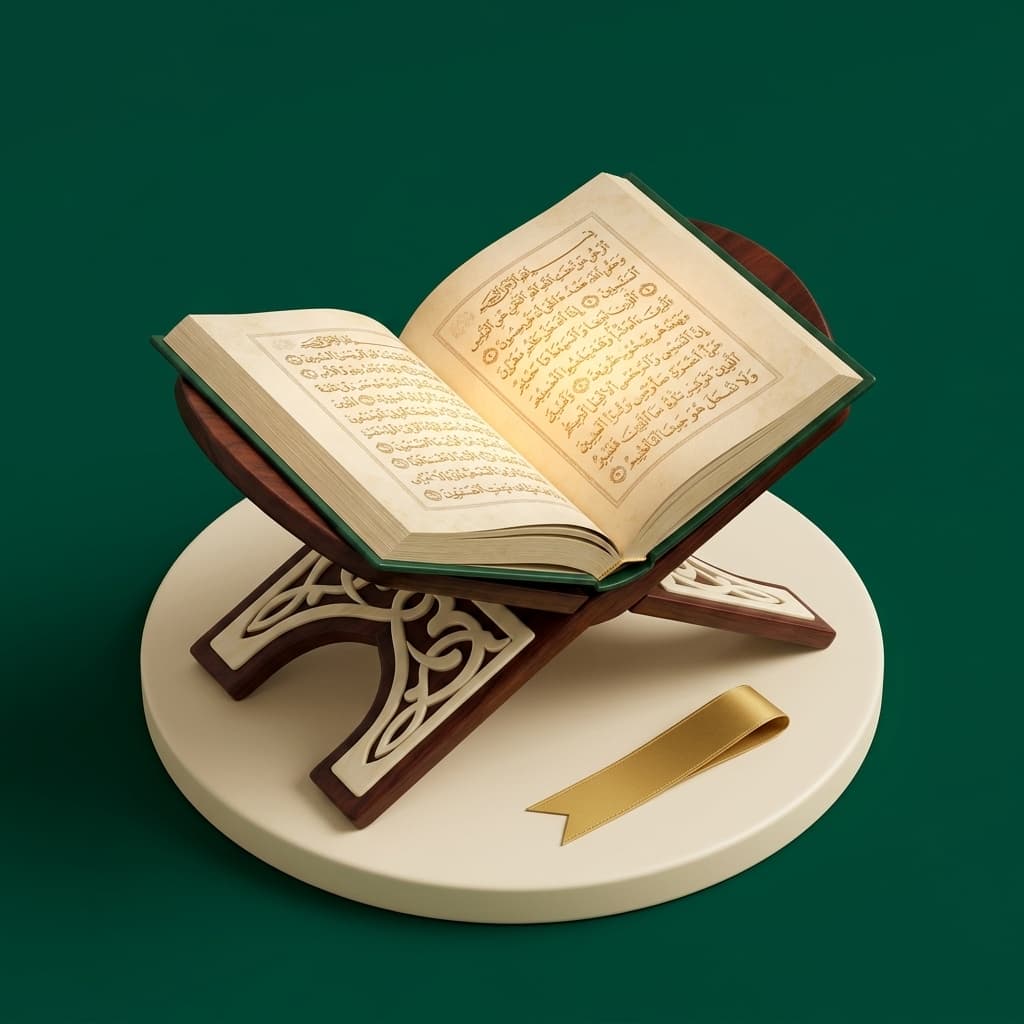
Learning how to read Quran is a sacred journey. It connects millions of Muslims worldwide to the divine words of Allah.
For many in the UK, this spiritual pursuit starts with understanding the basics of Arabic script and pronunciation. The beautiful art of Tajweed recitation also plays a big role.

The path to reading the Quran fluently means mastering Arabic basics and learning proper pronunciation through Tajweed rules.
It takes a consistent practice routine to build confidence over time. With dedication and the right guidance, beginners can develop the skills needed to recite the holy text with accuracy and reverence.
This guide dives into everything from the Arabic alphabet and pronunciation techniques to spiritual etiquette and modern learning resources. Whether you're just starting out or looking to polish your skills, these core elements will transform your relationship with the Quran.
You'll find your spiritual connection deepening as you go along.
Understanding the Basics of Reading the Quran

The Quran is Islam's holy book, made up of 114 chapters called surahs. These contain divine guidance for Muslims everywhere.
Learning to read the Quran properly means understanding its structure and its huge significance in Islamic practice.
What is the Quran?
The Quran is the central religious text of Islam. Muslims believe it contains the direct words of Allah, revealed to Prophet Muhammad through the angel Gabriel over 23 years.
The Quran was revealed in Arabic and still remains in its original language today. It's the primary source of Islamic law, guidance, and spiritual instruction for over 1.8 billion Muslims around the world.
The holy book covers a lot, including:
- Faith and worship - Basic beliefs and prayer
- Social guidance - Family relationships and community life
- Moral teachings - Right and wrong behaviour
- Stories of prophets - Lessons from past messengers
Muslims see the Quran as the final revelation from Allah. It confirms and completes earlier scriptures, correcting any changes made to previous texts.
The Importance of Reading the Quran
Reading the Quran holds deep spiritual meaning for Muslims. It connects them directly with Allah's guidance and strengthens their faith through regular engagement with divine teachings.
Spiritual benefits include:
- Increased closeness to Allah
- Inner peace and comfort
- Guidance for daily decisions
- Protection from negative influences
Many Muslims say they feel calm and focused after reading Quranic verses. The rhythmic Arabic text can create a meditative experience that helps reduce stress and anxiety.
Reading the Quran also improves Arabic language skills. Regular practice helps students develop pronunciation, vocabulary, and understanding of classical Arabic.
The Prophet Muhammad encouraged Muslims to read the Quran daily. He taught that each letter brings reward, so regular reading is both spiritually beneficial and rewarding.
Quranic Structure and Organisation
The Quran contains 114 chapters, or surahs, arranged roughly from longest to shortest. Each surah has a unique name and a set number of verses, called ayahs.
Key structural elements:
| Element | Description | Example |
|---|---|---|
| Surah | Chapter | Al-Fatiha (The Opening) |
| Ayah | Verse | Individual lines within surahs |
| Juz/Para | Section | 30 equal parts for daily reading |
| Ruku | Passage | Smaller divisions within surahs |
The first surah, Al-Fatiha, is recited in every Islamic prayer. It has seven verses and serves as an introduction to the Quran's main themes.
Shorter surahs appear at the end of the Quran. These are often easier for beginners to memorise and understand when starting to read the Quran.
Each surah begins with "Bismillah" (In the name of Allah) except Surah At-Tawbah. This phrase is a reminder to approach the text with respect and the right intention.
Learning the Arabic Alphabet and Pronunciation

The Arabic alphabet has 29 letters, each with its own unique shape and sound. These letters are the foundation of Quranic reading.
Proper pronunciation is all about understanding where each letter's sound comes from in the mouth and throat. This is called makharij.
Overview of the Arabic Alphabet
The Arabic alphabet consists of 29 letters, but only 28 have their own distinct sounds. The first letter, Alif (ا), is mostly used to stretch words rather than make its own sound.
Arabic letters change their shape depending on where they appear in a word. They might look different at the start, middle, or end of a word.
Heavy and Light Letters
Eight letters are called heavy letters. They make a bold, echoing sound:
- خ (Khaa)
- ص (Saad)
- ض (Daad)
- غ (Ghain)
- ط (Taa)
- ق (Qaaf)
- ظ (Zaa)
- ر (Raa - sometimes heavy, sometimes light)
People often remember them as: خص ضغط قظ
Light letters make sounds that flow out of the mouth, while heavy letters kind of trap the sound inside, giving an echo effect.
Long Vowels
Three letters act as long vowels in Arabic:
- ا (Alif) - makes an "AAA" sound
- و (Wao) - makes a "UUU" sound
- ی (Yaa) - makes an "EEE" sound
Arabic Letters and Their Sounds
Each Arabic letter comes from a specific spot in the mouth or throat. Knowing these makharij (articulation points) is key for correct pronunciation.
Key Letter Examples:
| Letter | Name | Sound Origin | Notes |
|---|---|---|---|
| ب | Baa | Inner lips touching | Don't suck lips inward |
| ت | Taa | Tongue against upper tooth roots | Keep sound solid, don't spit |
| ث | Thaa | Tongue softly against upper teeth edges | Tongue slightly outside mouth |
| ح | Haa | Middle of throat (epiglottis) | Sharp sound, mouth open |
| ج | Jeem | Middle tongue against upper palate | Solid letter, don't loosen |
Common Letter Families:
Some letters look a lot alike, such as:
- ب (one dot below), ت (two dots above), ث (three dots above)
- د (Daal) and ذ (Thaal)
- س (Seen) and ش (Sheen)
Mastering Proper Pronunciation
Getting pronunciation right means practicing each letter from its proper makharij or articulation point. UK Quran Academy really focuses on this foundation for accurate Quranic reading.
Practice Steps:
- Learn letter positions - Figure out where each sound comes from
- Practise individual letters - Get comfortable with each sound before joining them up
- Distinguish heavy from light - Use the correct force and tongue placement
- Avoid common mistakes - Don't swap in similar English sounds
Key Pronunciation Rules:
- Heavy letters need more force and create echoes in the mouth
- Light letters let sound flow out easily
- Tongue placement has to be spot on for each letter
- Don't overdo or exaggerate the sounds
Practice with qualified teachers is honestly the best way to avoid bad pronunciation habits. The makharij system keeps each letter's sound clear, which is exactly what UK Quran Academy teaches their students.
And if you're trying to memorize the Quran? UK Quran Academy helps you get there. Our expert teachers and scholars guide you step by step, making memorization and understanding way more accessible. We use proven methods, encouragement, and regular revision so you can remember what you've learned and recite with confidence. It's not always easy, but with the right support, memorizing the Quran becomes a reachable goal.
Essential Tajweed Rules for Accurate Recitation

Tajweed rules are the backbone of proper Quran recitation. They make sure every Arabic letter is pronounced correctly, with the right timing and intonation.
These rules help readers avoid common mistakes and keep the spiritual and linguistic beauty of the Quran intact.
Introduction to Tajweed
Tajweed means "to improve" or "to make well" in Arabic. It's the science of correct Quranic recitation, preserving how the Quran was revealed to Prophet Muhammad.
This practice makes sure every letter gets its proper sound. Tajweed keeps the Arabic text accurate, no matter where in the world you're reading from.
Key aspects of tajweed include:
- Correct pronunciation of Arabic letters
- Proper timing and rhythm
- Appropriate intonation patterns
- Preservation of meaning through accurate delivery
UK Quran Academy puts a huge emphasis on tajweed training. It's a core part of learning how to read Quran well.
With tajweed, your recitation matches the traditional style passed down through generations. And honestly, it just feels right when you get it.
Our team at UK Quran Academy is here to help you memorize the Quran, understand it, and recite it beautifully. Our expert teachers and scholars make the process clearer and more meaningful—step by step, at your pace. If you're looking for guidance, support, and real improvement, this is the place to start.
Key Tajweed Rules
Qalqalah creates a kind of echo in certain letters—ق, ط, ب, ج, د—when they have a sukun or come at the end of words. This bounce gives the recitation a crispness you can really hear.
Ghunna is all about the nasal sound that lasts two beats. It happens with noon and meem in some spots, making the recitation sound almost musical.
Madd deals with stretching out vowel sounds. Here’s a quick breakdown:
| Type | Duration | Example |
|---|---|---|
| Natural Madd | 2 beats | الحمد |
| Connected Madd | 4-6 beats | السماء |
| Separate Madd | 2-6 beats | ءامنوا |
Idgham is when sounds merge together. The first letter just melts into the next, making the flow between words feel smooth.
Ikhfa is about softening the noon sakinah sound when it’s followed by certain letters. You get this gentle nasal touch, but you don’t pronounce it fully.
Common Mistakes in Tajweed
One of the big issues? Beginners often rush, missing the right timing. Every rule has its own beat, and skipping that can actually change the meaning or just dull the beauty.
Letter confusion is a classic problem. It’s surprisingly easy to mix up letters like ص and س or ض and د, and suddenly, the word’s meaning is off.
Madd violations show up when someone shortens vowels that should be long—or drags out short ones. It messes with the rhythm that makes Quranic recitation so unique.
Stopping mistakes happen when you pause in the wrong spot. There are signs for a reason, and ignoring them can throw off the whole verse.
UK Quran Academy has noticed that accent interference is a real hurdle, especially for English speakers. If you’re not careful, your native language sneaks into your Arabic, and that’s tough to unlearn.
Breathing problems are another common struggle. If you don’t plan your breaths, you end up rushing or stopping in weird places, which just doesn’t sound right.
Application of Tajweed in Daily Practice
Practice really does make perfect here. Short, focused sessions every day help your mouth and tongue remember the rules automatically.
It’s smart to start small—short surahs like Al-Fatiha are perfect for getting the basics down. Each little chapter is a new chance to practice a different tajweed rule.
Recording yourself can be eye-opening. When you listen back, you’ll catch mistakes you never noticed in the moment.
Getting feedback from someone who knows what they’re doing is invaluable. UK Quran Academy offers structured tajweed lessons, and their teachers spot errors fast, so you don’t get stuck in bad habits.
Listening to top qaris is underrated. Their recitation sets a gold standard, and you can pick up the right sound just by hearing how they do it.
Group sessions add a bit of friendly competition and support. Learning together somehow makes it stick more—maybe it’s the accountability, maybe just the shared struggle.
Step-by-Step Guide to Start Reading the Quran

If you’re new, it’s best to start with Al-Fatiha, then move to short surahs like Al-Ikhlas. This way, you build confidence and start picking up pronunciation and memorisation skills without feeling overwhelmed.
Starting with Short Surahs
Honestly, the shortest chapters are a lifesaver for beginners. They’re quick to read and don’t throw too much tricky vocabulary at you.
Recommended short surahs for beginners:
- Surah Al-Ikhlas (Chapter 112)
- Surah Al-Falaq (Chapter 113)
- Surah An-Nas (Chapter 114)
Short surahs keep things manageable. You can actually finish a whole chapter in just a few minutes, which feels pretty rewarding.
UK Quran Academy suggests sticking with one surah for a few days before moving on. It’s about depth, not speed.
Focus on saying every letter clearly. Slow and steady wins here—rushing just leads to sloppy habits.
Practising with Al-Fatiha
Al-Fatiha isn’t just the opener—it’s in every prayer. Nailing this surah is non-negotiable for Muslims.
Its seven verses are packed with essential Arabic sounds and patterns you’ll see again and again.
Key focus areas with Al-Fatiha:
- Getting the Arabic letters right
- Pausing properly between verses
- Grasping the basic meanings
- Keeping the flow natural
UK Quran Academy really pushes daily Al-Fatiha practice before tackling other chapters. It’s about building muscle memory, not just memorising words.
Try reciting Al-Fatiha at least ten times a day. Repetition is your friend—eventually, it just clicks.
Memorising Al-Ikhlas and Other Short Chapters
Al-Ikhlas is short—just four verses—but it covers core beliefs about God’s oneness. It’s a great entry point for memorising Quran.
Break each verse into smaller chunks. It’s less intimidating and helps you really lock it in.
Effective memorisation steps:
- Listen to a correct recitation a few times
- Repeat each small chunk slowly
- Start joining the chunks together
- Practice the whole verse daily
Al-Falaq and An-Nas are similar—short, powerful, and perfect for beginners. The same memorisation tricks work for all three.
UK Quran Academy encourages learning at least three short surahs in your first month. It’s a real confidence boost and sets a good routine.
And if you’re wondering, memorising with UK Quran Academy is a whole different experience. Their expert teachers and scholars break things down, help you remember, and make sure you actually understand what you’re reciting. It’s not just about repeating words—it’s about connecting with the meaning and making it stick for good.
Tools, Resources, and Support for Quran Learners

Let’s be real—having the right resources makes all the difference. UK Quran Academy hooks you up with everything from printed Qurans to interactive tech and, most importantly, expert support to help you master recitation.
Physical and Digital Copies of the Quran
Tajweed Qurans are a game-changer for beginners. The color-coded markings make it way easier to spot where to stretch a vowel or apply a rule.
Digital Qurans are handy, too. You get instant access to audio plus the Arabic text, so you can listen and follow along wherever you are.
Key features to look for:
- Big, clear Arabic script
- Color-coded Tajweed hints
- English translation on the side
- Audio that syncs with the text
UK Quran Academy usually recommends starting with a physical Quran for deep study. Digital ones are perfect for on-the-go practice. Honestly, using both together works best for most people.
Apps and Online Platforms
Quran learning apps have totally changed the game. You get interactive lessons, track your progress, and some even correct your pronunciation using voice tech.
Must-have app features:
- Step-by-step Arabic alphabet lessons
- Audio explanations for Tajweed rules
- Practice drills for recognizing letters
- Progress tracking and goals
UK Quran Academy uses advanced online platforms for remote lessons. You get live classes, recordings, and even one-on-one sessions. Interactive whiteboards make learning the letters and rules actually fun.
There’s something for everyone. Beginners get help with pronunciation, while advanced students use apps for memorising and perfecting their recitation.
The Role of Qualified Teachers and Study Groups
Honestly, nothing beats a real teacher. Apps and books are great, but only an experienced instructor can catch your subtle mistakes and guide you in real time.
UK Quran Academy has certified teachers who specialise in Tajweed and online Quran classes. Their lessons build from the basics all the way to full recitation, and personal feedback helps you improve fast.
Study groups are a bonus:
- Motivation from peers
- Extra practice together
- Learning from each other’s mistakes
- Keeping a regular schedule
Group learning keeps you on track and makes it more enjoyable. UK Quran Academy offers both private lessons and group sessions, so you can pick what suits you best.
Teachers help you avoid bad habits before they stick. Their guidance really sets you up for success in the long run.
And if you’re aiming to memorise the Quran, let’s be honest—having the support of UK Quran Academy’s expert team makes a world of difference. They know what works, and they’ll help you not just memorise, but really remember and understand every verse.
Spiritual Etiquette and Best Practices

Spiritual prep is huge for Quran recitation. You need physical cleanliness (wudu), treat the Quran with respect, and it helps to start with a supplication asking for guidance.
Maintaining Cleanliness and Focus
Ritual purification isn’t just tradition—it’s part of the process. Do wudu before touching or reading the Quran; it’s about both physical and spiritual readiness.
Wudu goes like this:
- Wash hands (three times each)
- Rinse mouth (three times)
- Clean nose (three times)
- Wash face (three times)
- Wash arms up to the elbows
- Wipe head with wet hands
- Wash feet to the ankles
UK Quran Academy always reminds students: cleanliness isn’t just about you—it’s your whole space. Keep your area tidy and free from distractions.
Staying focused is tough with all the noise these days. Find a quiet spot, silence your phone, and just be present with the text.
Facing the qiblah while reading helps you feel connected, like you’re part of something bigger. It’s a small thing, but it makes a difference.
Approaching the Quran with Respect
The physical handling of the Quran calls for a certain etiquette. It's about showing true reverence for Allah's words.
One simple rule? Never put the Quran directly on the floor or ground. That just doesn't feel right, does it?
Storage guidelines include:
- Keep the Quran on elevated surfaces.
- Use a clean cloth or Quran stand.
- Store it in a dedicated, clean space.
- Always handle it with freshly washed hands.
Before you even start reading, say "Bismillah" (In the name of Allah). It’s a gentle way to ask for Allah’s blessing before diving in.
And right after, try saying "A'udhu billahi min ash-shaytan ir-rajim" (I seek refuge with Allah from the accursed devil). This helps keep your mind clear of distractions—trust me, it works.
While reading or listening to Quran recitation, silence is key. Conversations or extra noise? Better to avoid them out of respect for these divine words.
At the end, say "Sadaqallah-ul-Azim" (Allah speaks the truth). It’s a simple way to honor the authenticity of Allah’s message.
Now, if memorizing the Quran feels daunting, you’re not alone. That’s where UK Quran Academy steps in to help you memorize it. Our expert teachers and scholars don’t just guide you—they make sure you truly understand and remember every verse.
At UK Quran Academy, we focus on helping you memorize the Quran at your pace, with patience and encouragement. We’re here to help you connect with the Quran in a way that’s meaningful, memorable, and, honestly, a bit easier than you might think.
Incorporating Dua into Your Learning
Supplications really do enhance the learning experience. They invite Allah's guidance along your Quran study journey.
UK Quran Academy teaches students specific duas for different stages of learning. We believe these supplications make a genuine difference.
Before reading, it's helpful to recite the seeking refuge dua mentioned above. You can also add personal supplications, asking Allah for understanding and wisdom.
During difficult passages, it helps to pause and make dua for comprehension. Ask Allah to open your heart to the meanings of His words—even if it feels challenging.
Common learning duas include:
- "Rabbana aftah baynana wa bayna qawmina bil-haqq" (Our Lord, decide between us and our people in truth)
- "Rabbi zidni ilman" (My Lord, increase me in knowledge)
- "Rabbana atina fi'd-dunya hasanatan wa fi'l-akhirati hasanatan" (Our Lord, give us good in this world and good in the next world)
After completing a reading session, remember to thank Allah for the chance to engage with His words. Make dua for the ability to actually apply the teachings in your daily life, not just read them.
So, where does UK Quran Academy fit in? We're here to help you memorize the Quran, step by step. Our expert teachers and scholars don’t just guide you through memorization—they help you understand each verse in a way that sticks.
We know memorizing can feel overwhelming, but with UK Quran Academy you’re not alone. We focus on helping you remember and internalize the Quran, so it becomes a part of you, not just words you recite.
Honestly, regular dua practice can deepen your spiritual connection with the Quran. With our support, it's not just mechanical recitation—it’s meaningful worship, and a journey you’ll actually enjoy.